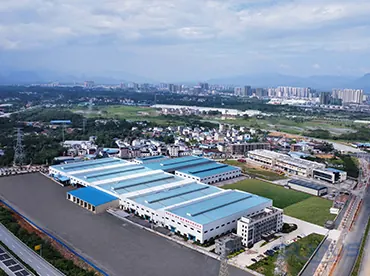
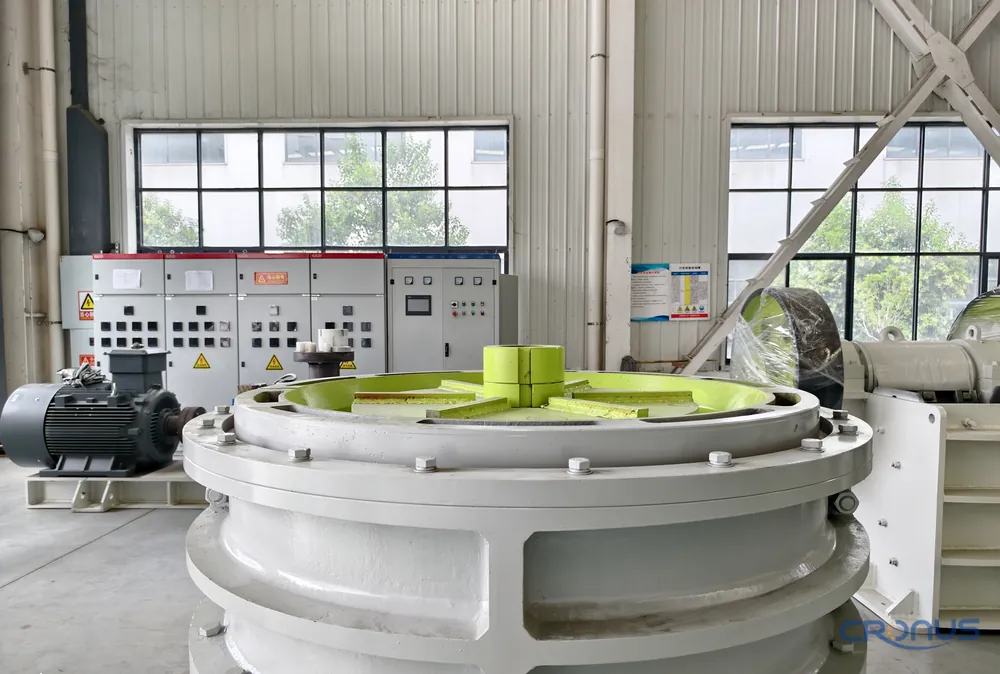
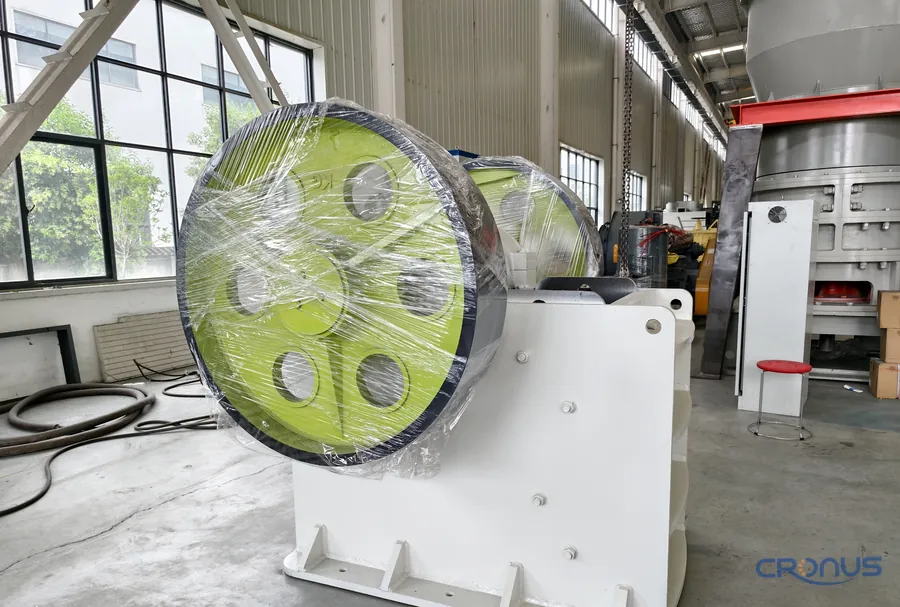
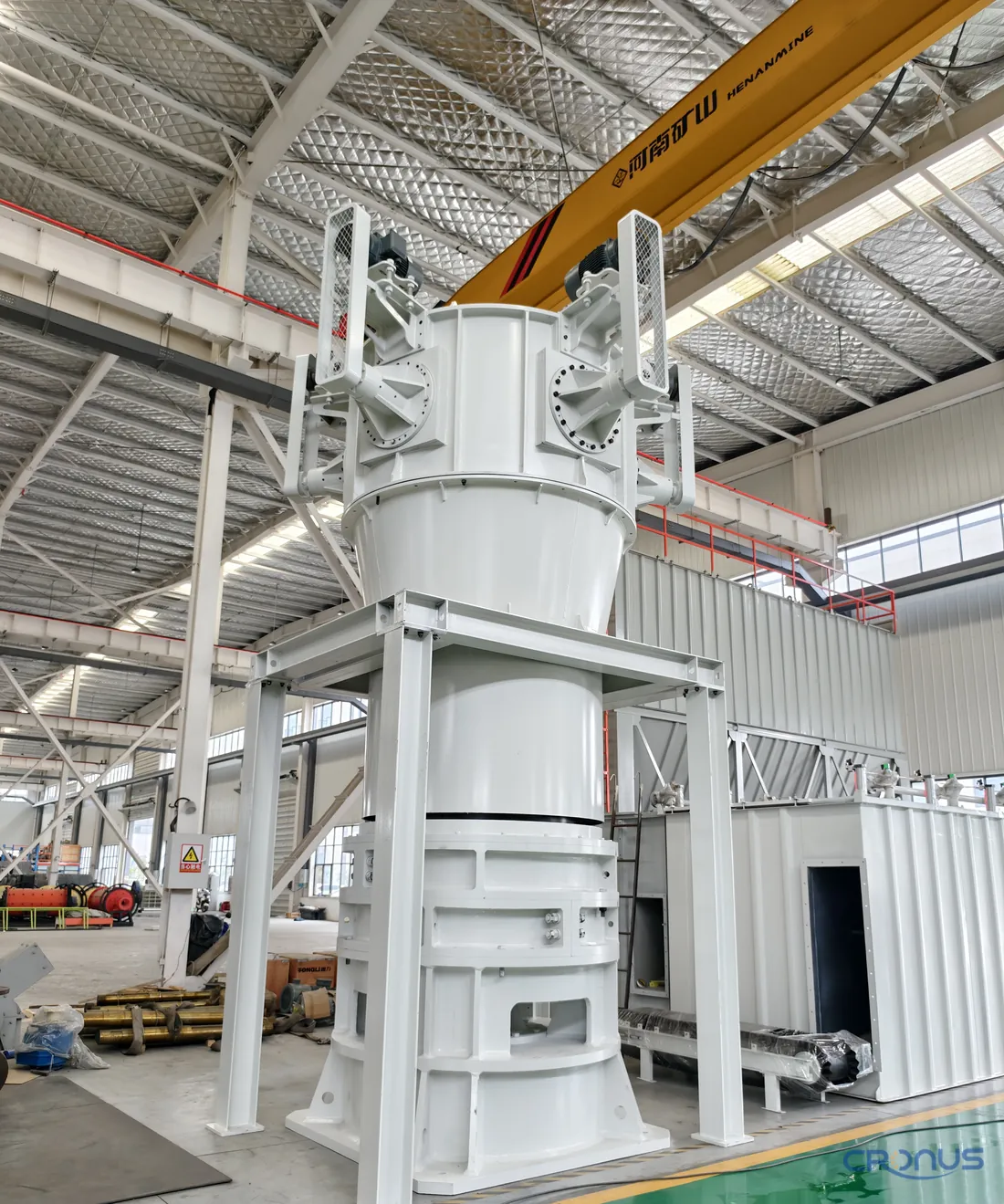
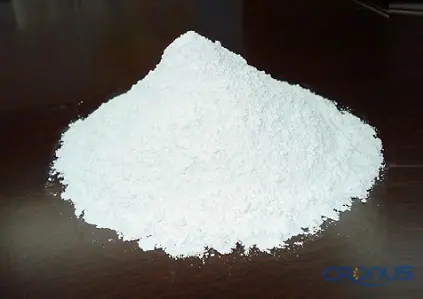
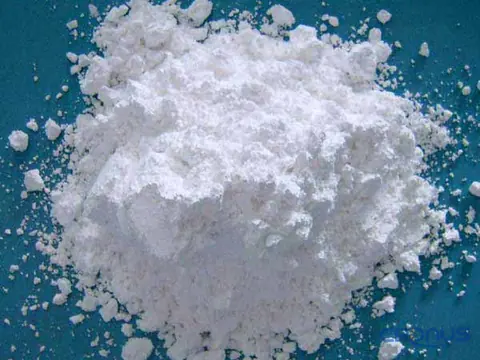
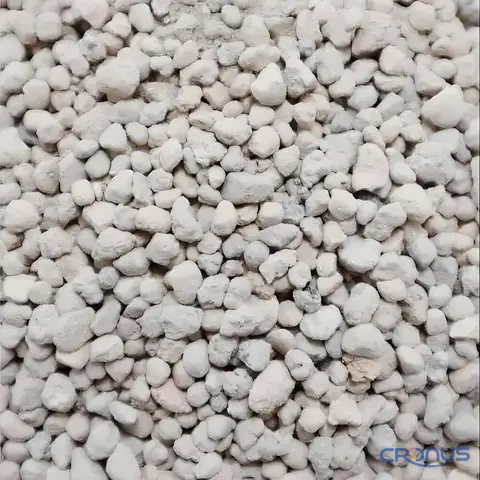
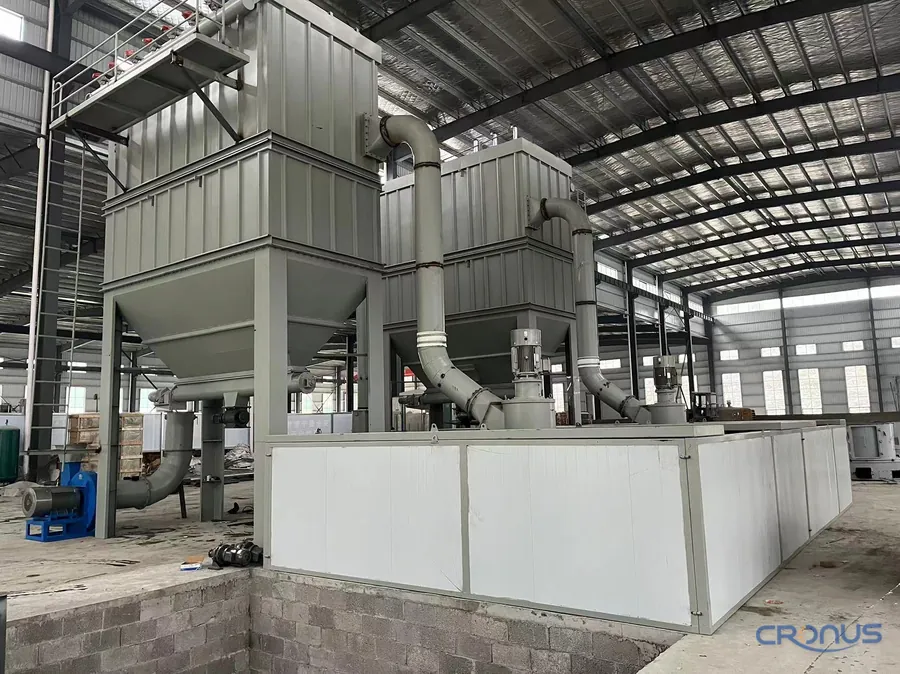
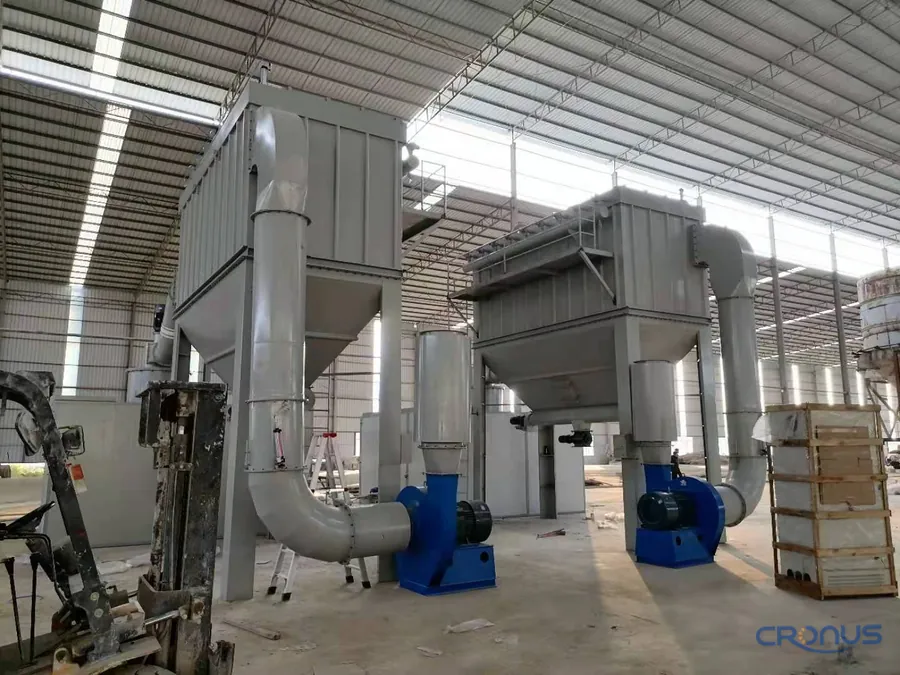
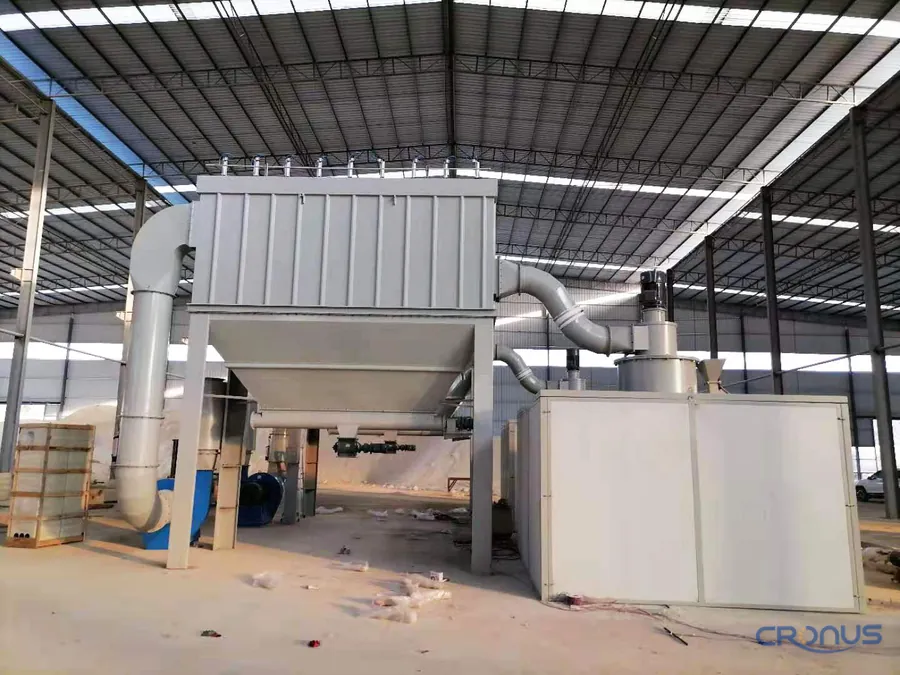
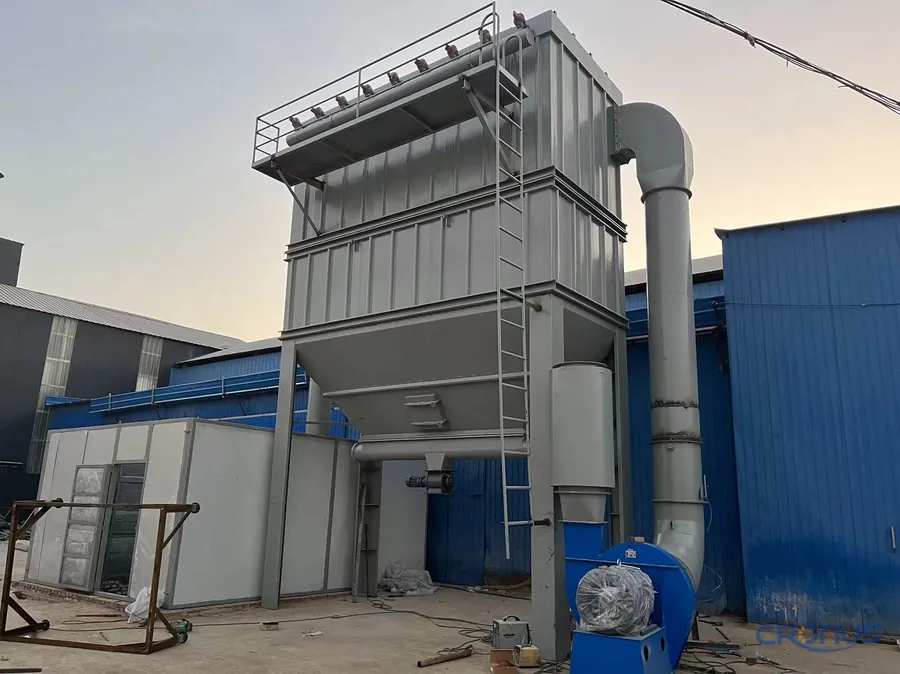
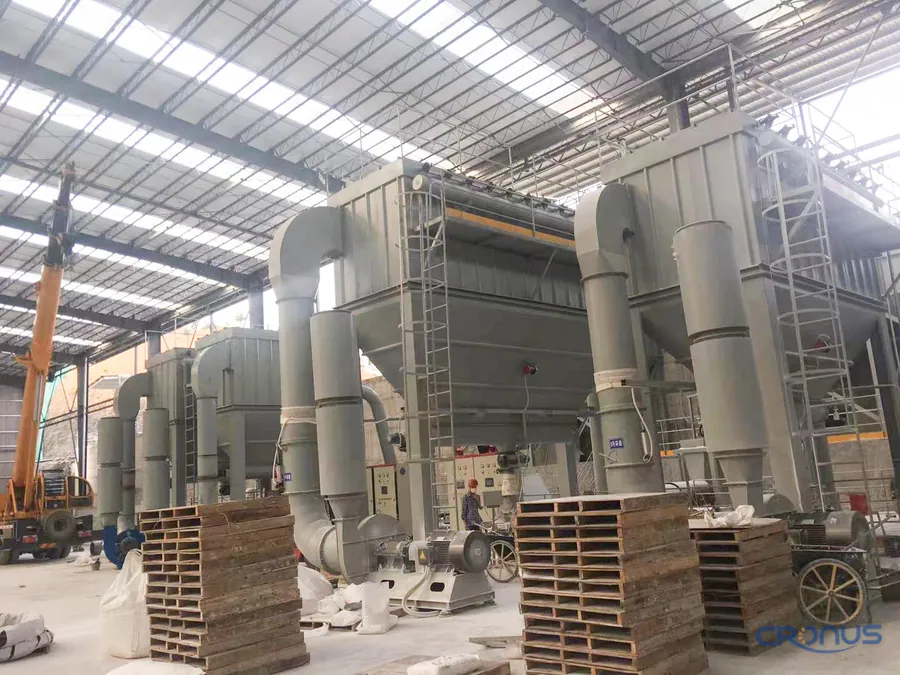
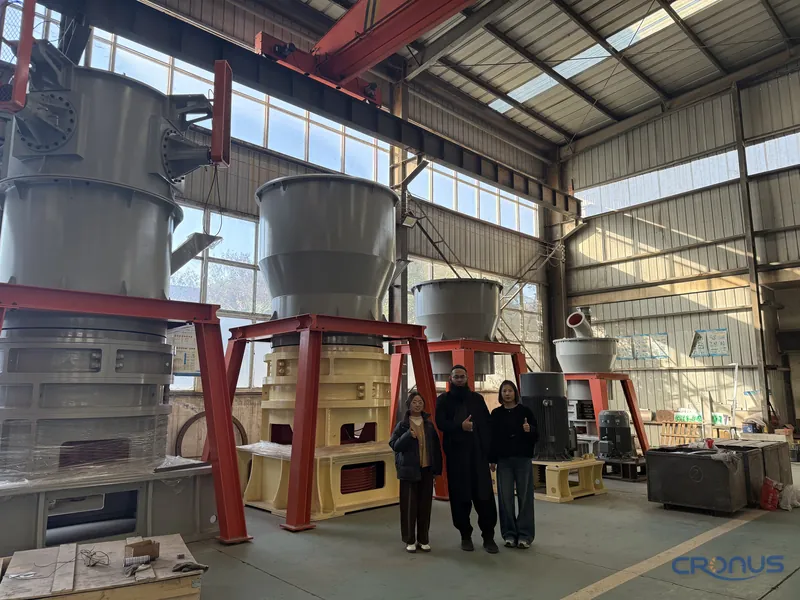
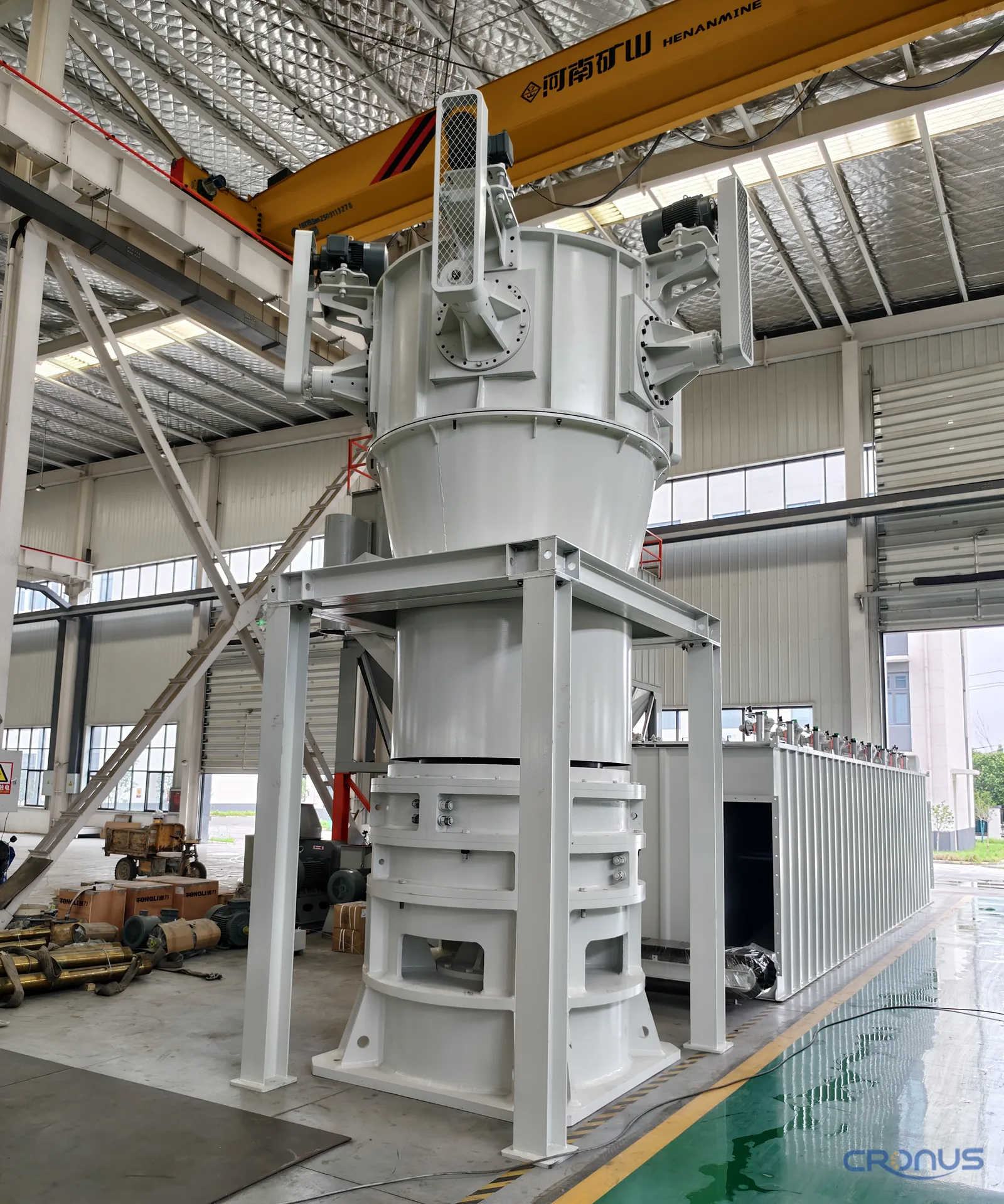
CRGM125 multi-head ultrafine grinding mill with multi-rotor classifier in Cronus workshop

CRGM Series · Ring Roller Mill with Multi-Head Classifier

Multi-Head Ultrafine Grinding Mill

Multiple classifier rotors working in parallel unlock the full grinding capacity of the mill at 800–2500 mesh — sharper cut, narrower particle size distribution, and lower energy per ton for non-metallic minerals.

Request Free Grinding Test
  • 200–2500mesh finished powder
  • 5–74 μmD97 control range
  • 0.2–12t/h capacity range
  • 50+years of mill building

Clarify the term first

"Multi-head" means multiple classifier rotors — not multiple grinding rollers

Many buyers confuse the two. On this page, multi-head (multi-head classifier) refers to the classifier on top of the mill: instead of one rotor (impeller), several rotors are connected in parallel inside one classifier head. The grinding chamber below — turntable, rollers and rings — remains one identical set.

Single head Single-rotor classifier

One impeller on the classifier shaft. The impeller's ventilation cross-section is limited, so at 1500–2500 mesh the air resistance rises sharply, airflow cannot increase, and the classifier becomes the bottleneck that caps output.

  • One rotor, one motor
  • One fineness grade at a time
  • Airflow-limited at ultrafine cuts
Classifier head cross-section: single rotor vs. parallel multi-rotor (schematic)
Single rotor Limited air passage · airflow capped SINGLE HEAD Parallel rotors × N (VFD each) Ventilation area ×N · capacity released MULTI HEAD UPGRADE

The company behind the machine

Cronus — a subsidiary of Guilin Mining Machinery, building mills since 1973

Shanghai Cronus Machinery Co., Ltd. is the international sales and service subsidiary of Guilin Mining Machinery Co., Ltd. (GUIKUANG), founded in 1973. For more than 50 years the group has designed and manufactured grinding equipment — Raymond mills, ultrafine ring roller mills, vertical roller mills, crushers and complete powder production lines.

Guilin Mining Machinery is a backbone enterprise of China's Guangxi machinery industry, one of the two grinding-equipment manufacturers designated by the former Ministry of Machinery Industry, and a drafting unit of China's grinding machine standards. Today more than 10,000 customers in 30+ countries run Cronus equipment.

  • 0years of manufacturing
  • 0+ customers served
  • 0+ machining & welding sets
  • 0+ export countries
Talk to an Engineer
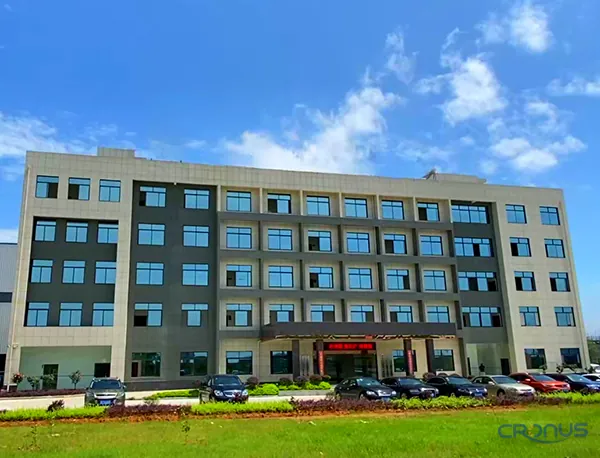
Cronus Shanghai office building of the ultrafine grinding mill manufacturer
Shanghai headquarters — international sales & service center
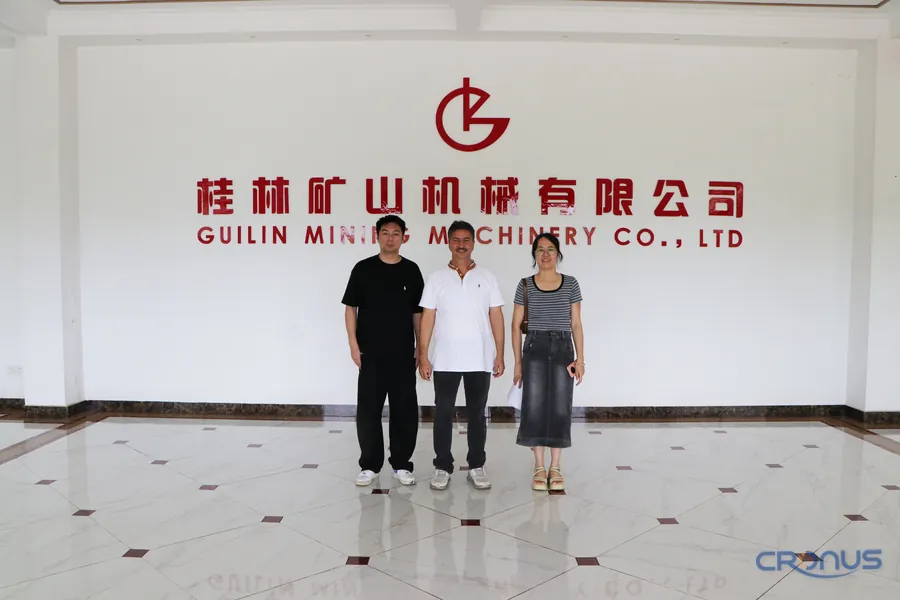
Guilin Mining Machinery plant hall, parent company of Cronus
Guilin plant — the 50-year manufacturing base

Honors & Certifications

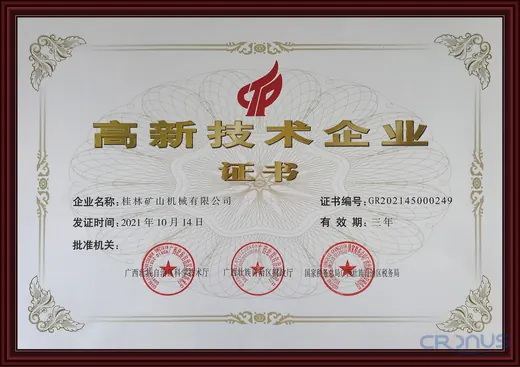
National High-Tech Enterprise certificate of Cronus grinding mill factory
High-Tech Enterprise
Invention patent certificate for grinding mill liner
Invention Patent
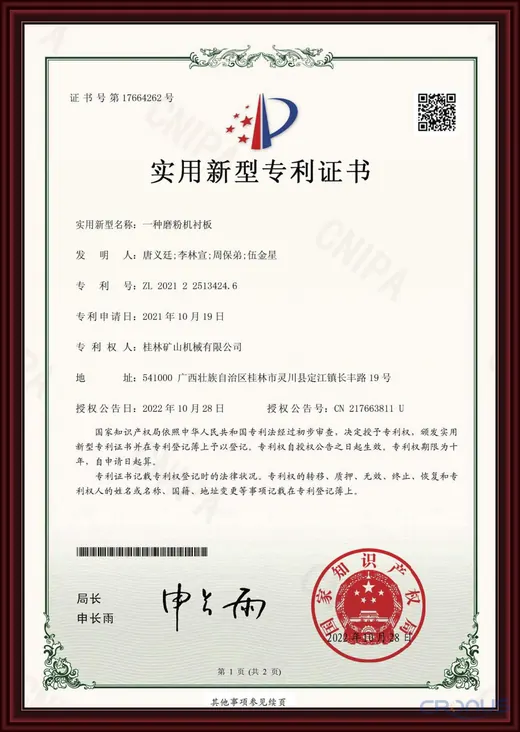
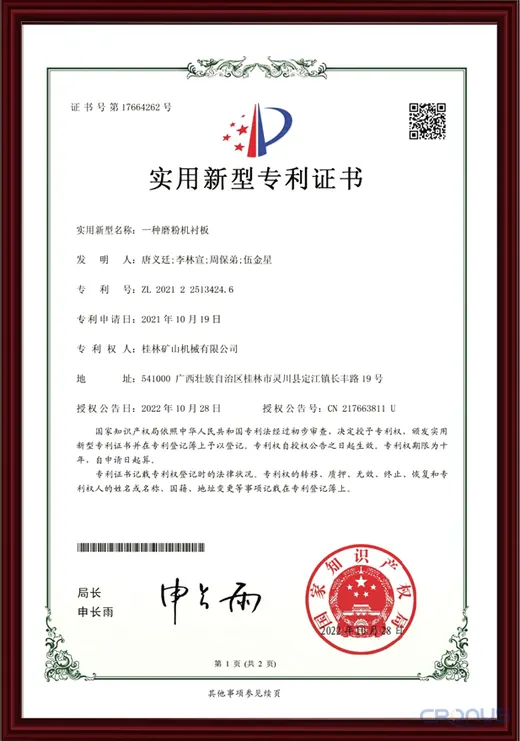
Utility model patent certificate of Cronus mill
Utility Patents
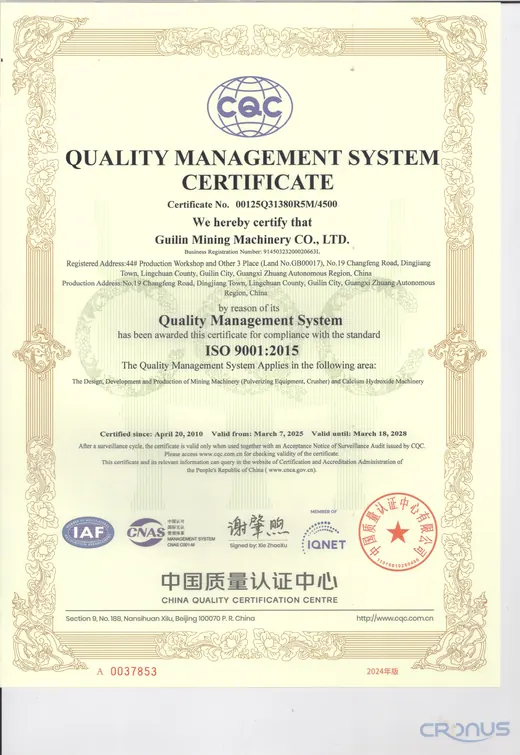
ISO 9001 quality management system certificate
ISO 9001
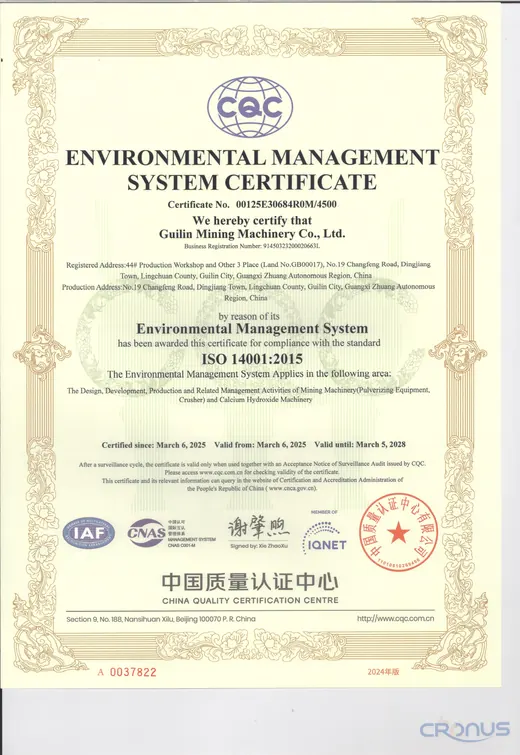
ISO 14001 environmental management certificate
ISO 14001
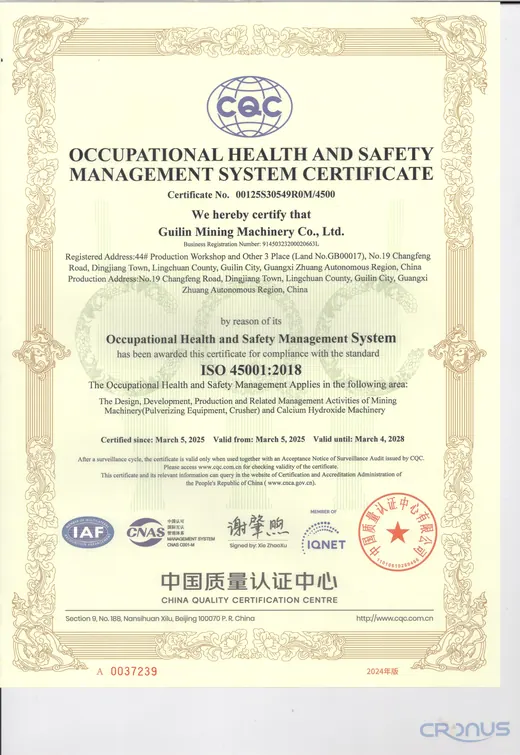
ISO 45001 occupational health and safety certificate
ISO 45001
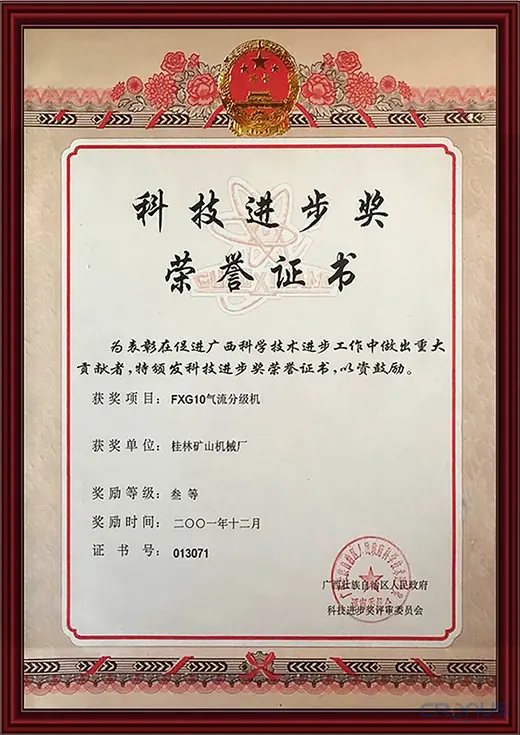
Guangxi science and technology progress award certificate
S&T Progress Award
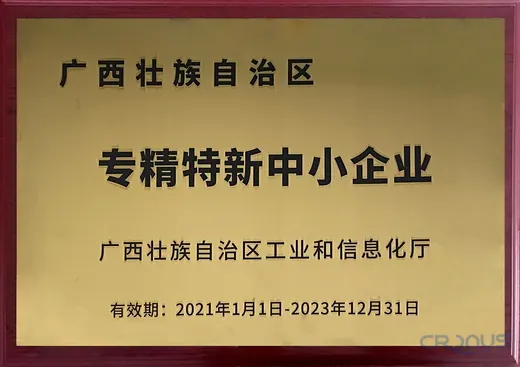
Specialized and innovative SME certificate
Specialized SME
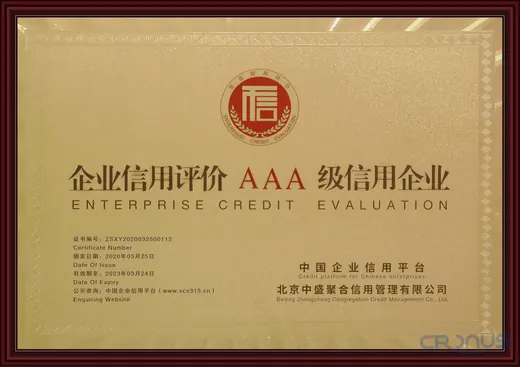
AAA enterprise credit rating certificate
AAA Credit Rating
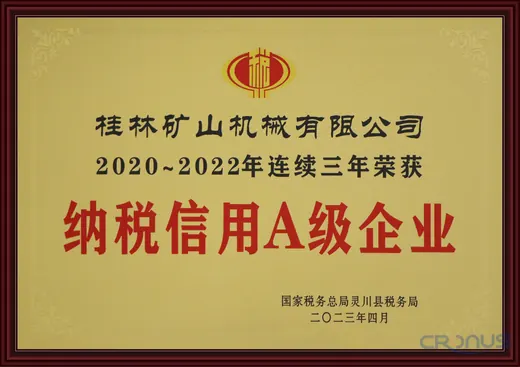
Grade A tax credit certificate 2020-2023
Grade-A Tax Credit
CE CertificateGrinding Mill · view PDF
Business license of Shanghai Cronus Machinery Co Ltd
Business License

Working principle & structure

How the multi-head ultrafine grinding mill turns 20 mm rock into 2500-mesh powder

The CRGM mill is a closed-circuit, negative-pressure ring roller grinding system: dry grinding, built-in classification, cyclone collection and pulse-jet dust removal in one line.

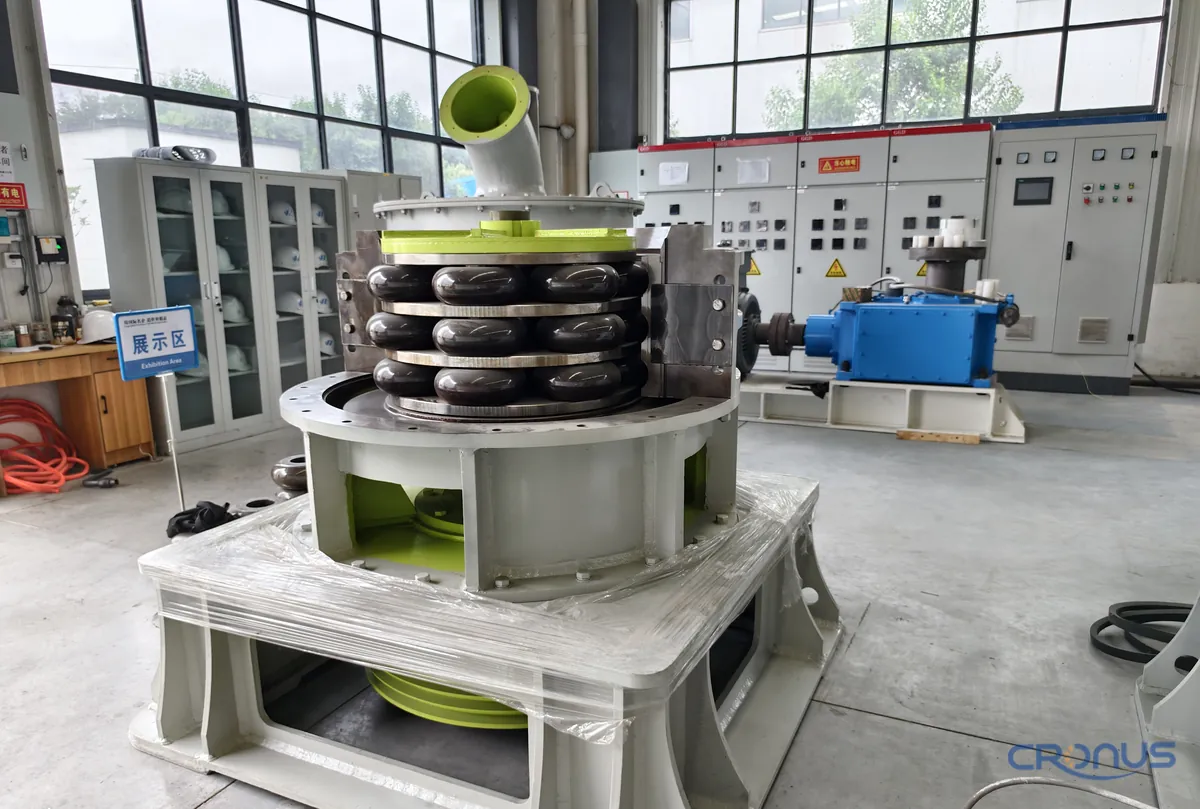
Internal grinding chamber structure of CRGM ultrafine ring roller mill showing turntable rollers and ring
Grinding chamber: turntable, grinding rollers and ring
CRGM multi-head ultrafine grinding mill complete machine with top classifier
Complete CRGM unit — multi-head classifier on top
  1. 1
    Feeding

    Crushed material (≤20 mm) is fed evenly by a vibrating feeder and air-lock valve into the grinding chamber. An optional built-in dryer handles slightly damp feed.

  2. 2
    Multi-layer grinding

    The main motor drives the multi-layer turntable through a reducer. Centrifugal force presses the swinging ring rollers against the ring track; material is sheared and crushed layer by layer through 3–4 grinding zones.

  3. 3
    Air transport

    A high-pressure blower pushes air in from the bottom of the ring. Fine powder is lifted with the airflow; heavy coarse particles fall back to the grinding zone automatically.

  4. 4
    Multi-head classification

    At the top, powder passes the multi-rotor classifier. Each rotor is driven by its own variable-frequency motor and sets an exact cut point — oversized particles are rejected and returned to the mill.

  5. 5
    Collection & dedusting

    Qualified fines are captured by the cyclone collector and discharged by the air-lock valve; remaining dust in the exhaust is filtered by the pulse-jet bag filter before clean air exits.

Main structural components

  • Main machine (turntable · rollers · ring · reducer)
  • Multi-head classifier (parallel VFD rotors)
  • High-pressure blower
  • Cyclone collector + air-lock discharge valve
  • Pulse-jet dust collector
  • Pipeline system & electrical control cabinet

Multi-head advantages

Five reasons buyers upgrade from a single-rotor classifier

Every benefit below comes from the same change: more classifying rotors in parallel — the grinding unit itself is untouched.

Bigger classifier airflow, higher output at high mesh

A single rotor's impeller window area is fixed; at 1500–2500 mesh air resistance grows dramatically and output is strangled by the classifier. Parallel rotors multiply total ventilation area, so at the same 2500 mesh the main mill's full grinding ability is released — output is clearly higher than a single-head mill of the same size.

Sharper cut point, narrower particle size distribution

Each rotor runs on independent variable frequency with a uniform flow field, so coarse-particle escape is minimal. D97 is controlled precisely — clean, tight PSD that coatings and plastics-filler producers demand. A single-rotor head at high fineness suffers flow-field turbulence and lets coarse grains slip through.

Two fineness grades from one machine

Set different rotor speeds and the classifier splits the product stream into two finished powders of different mesh at the same time — no parameter changeovers, no shutdowns, one line doing the work of two. A single-head mill can only output one fineness at a time.

Less over-grinding, lower energy per ton

Efficient classification removes qualified fines immediately, so good powder no longer circulates in the chamber and is ground again for nothing. At equal fineness the whole system consumes less electricity — a direct saving on every ton produced.

Keeps pace with large-capacity main mills

When the main machine is built for heavy grinding duty (e.g. CRGM125), a single-head classifier would simply become the bottleneck of the whole line. That is why the Cronus 125 ships with a multi-head classifier as standard — the classifier always matches the mill's true potential.

Bonus: upgrade-friendly

Already own a single-head CRGM? The multi-head classifier is a top-of-machine upgrade — the grinding chamber, foundation and main drive stay where they are.

Head-to-head

Multi-head classifier mill vs. single-head ultrafine mill

Same grinding chamber, same rollers and rings — the entire difference lives in the classifier head above. That is why the multi-head option wins where fineness and tonnage both matter.

Typical comparison under identical material and target fineness (indicative)
ItemSingle-head (1 rotor)Multi-head (parallel rotors)
Classifier ventilation areaFixed, limited by one impellerMultiplied by the number of rotors
Output at 1500–2500 meshChoked by classifier air resistanceMain mill capacity fully released
Particle size distributionWider; coarse escape at fine cutsSharper cut, narrower PSD, precise D97
Fineness grades per runOneTwo (independent rotor speeds)
Over-grinding & unit energyLonger internal recirculationFines leave quickly; lower kWh/t
Suitability for large millsClassifier becomes line bottleneckStandard fit for CRGM125 and up
Grade changeoverStop and re-adjustChange rotor speed only

Indicative output at 2500 mesh, same main machine (relative, index = 100 for single head)

Single-head classifier
100
Multi-head classifier
≈165

Actual gain depends on material, feed moisture and target residue on screen — confirm with a free test grinding in our Guilin plant.

Applications & materials

Built for non-metallic minerals below Mohs 6

Typical materials include calcite, limestone, marble, dolomite, talc, pyrophyllite, barite, gypsum, kaolin, bentonite, mica, wollastonite, petroleum coke, carbon black, aluminium hydroxide and diatomite. Feed ≤20 mm, moisture ≤6%, non-flammable and non-explosive.

Calcite ore ground to 1250-2500 mesh calcium carbonate powder
Calcite / GCC600–2500 mesh filler
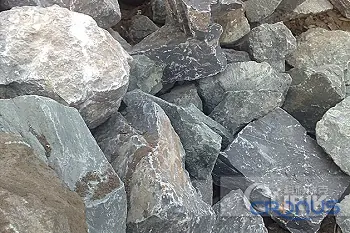
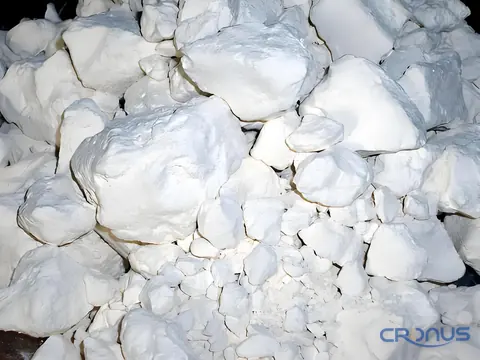
Limestone lump material for ultrafine powder production
Limestonefiller & desulfurization
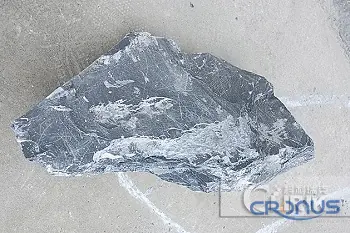
Talc stone processed into ultrafine powder by CRGM mill
Talcpaint & plastics filler
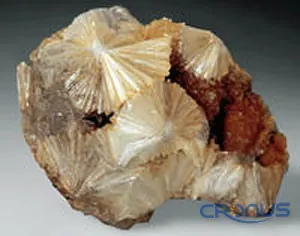
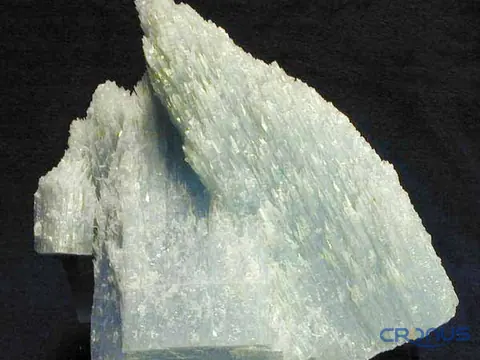
Pyrophyllite mineral ground by multi-head ultrafine mill
Pyrophylliteceramics & refractory
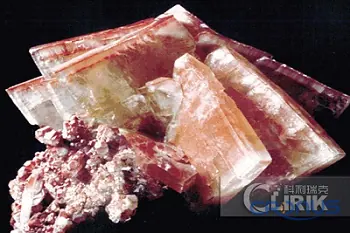
Barite ore for ultrafine powder used in drilling mud
Baritedrilling weight agent
Kaolin clay processed into ultrafine powder
Kaolinpaper & ceramics
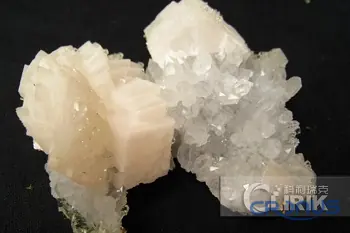
Dolomite stone for ultrafine grinding
Dolomiteglass & agriculture
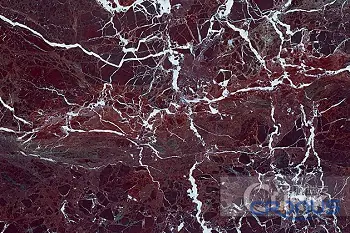
Marble blocks as heavy calcium carbonate raw material
MarbleGCC source
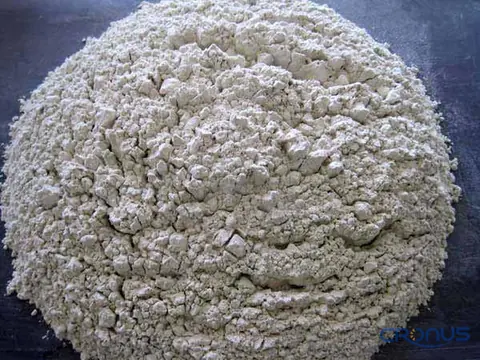
Gypsum stone ground into powder by CRGM mill
Gypsumbuilding materials
Bentonite clay for ultrafine powder processing
Bentonitefoundry & pelletizing
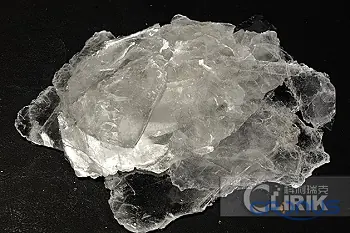
Mica mineral flakes for grinding
Micapearlescent pigment
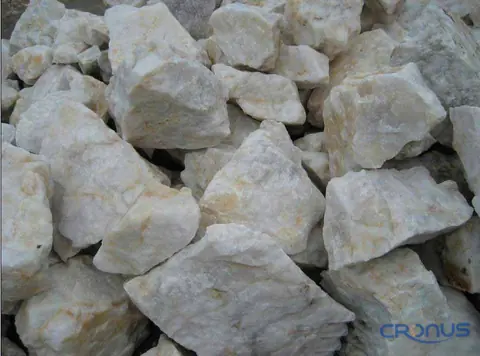
Quartz stone for fine powder grinding
Quartzglass & electronics
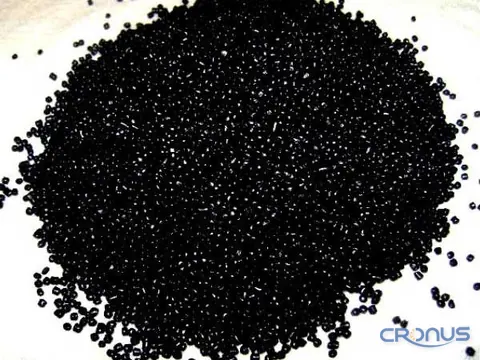
Carbon black powder ultrafine grinding case
Carbon blackrubber & masterbatch
Precipitated calcium carbonate PCC powder
PCC / GCC powderfiller masterbatch
Aluminium hydroxide powder for flame retardant filler
Al(OH)₃flame retardant
Diatomite mineral for ultrafine powder
Diatomitefilter aid

Where the powder goes

  • Paints & coatings
  • Plastics & masterbatch
  • PVC pipes & profiles
  • Paper making
  • Rubber & tires
  • Cables
  • Ceramics & tiles
  • Glass
  • Building materials & putty
  • Artificial marble
  • Cosmetics
  • Drilling fluids
  • Sealants & adhesives
  • Feed & fertilizer

See it in motion

Factory test runs and customer site footage — real equipment, real powder.

Engineering cases

From our workshop to powder plants worldwide

Installation, commissioning and customer visits — Cronus lines for ultrafine non-metallic powder are running across Asia, the Middle East, Africa and the Americas.

CRGM ultrafine grinding mill production line installation case
Complete ultrafine grinding line — installation & commissioning
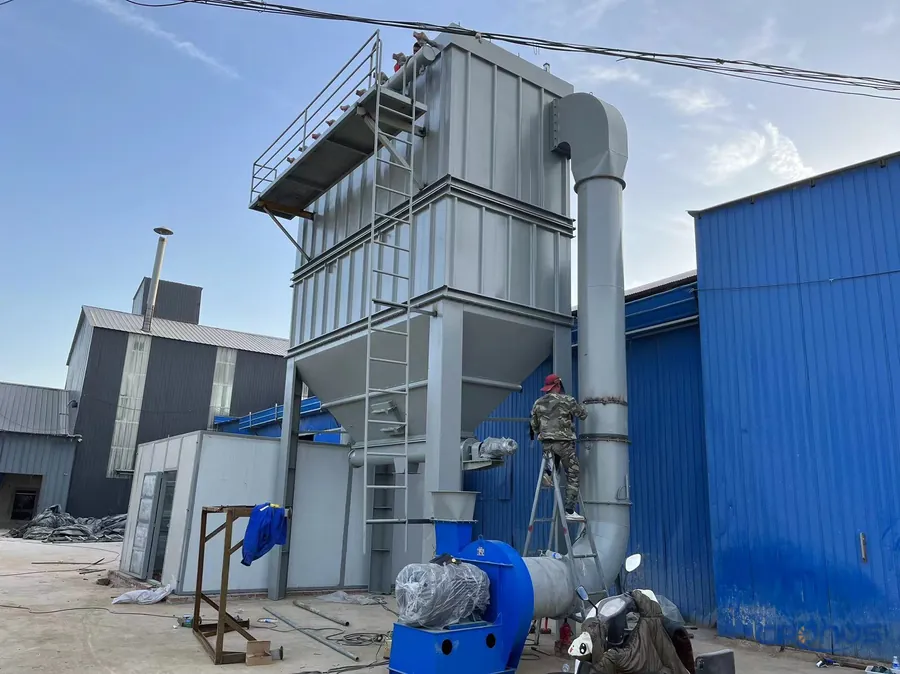
Pulse dust collector and pipeline of ultrafine powder plant case
Collection & dedusting section on site
Multi-head ultrafine grinding plant running in customer factory
Mill in stable production
Finished powder silos and packing of grinding plant case
Powder silos & packing station
Grinding plant ducting and blower installation case
Air system layout on site
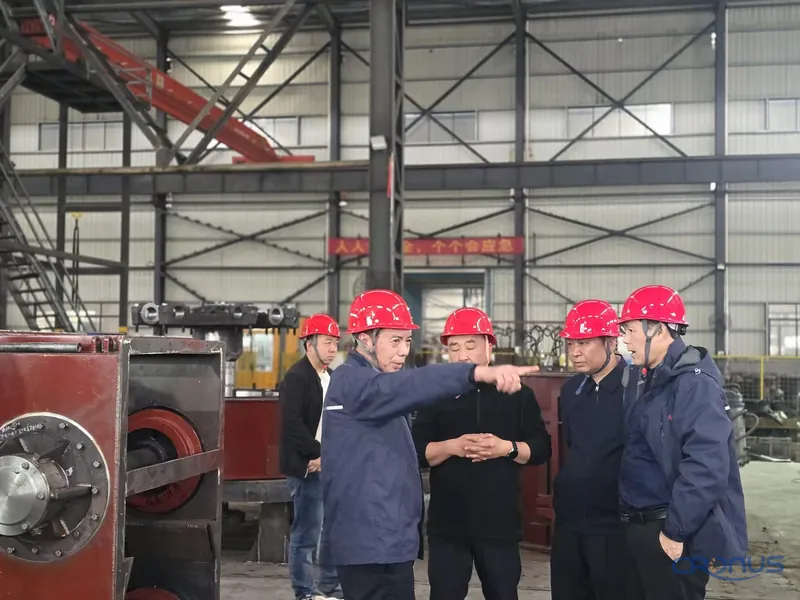
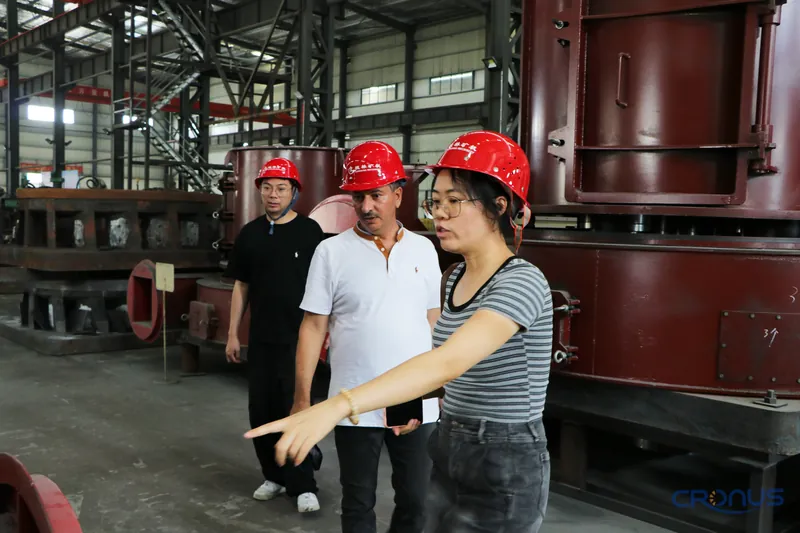
Overseas customer visiting Cronus grinding mill factory
Customer factory inspection
Indian customer visiting Guilin mining machinery plant
India customer — Guilin plant
Customer discussing ultrafine mill project in Shanghai office
Technical discussion — Shanghai HQ
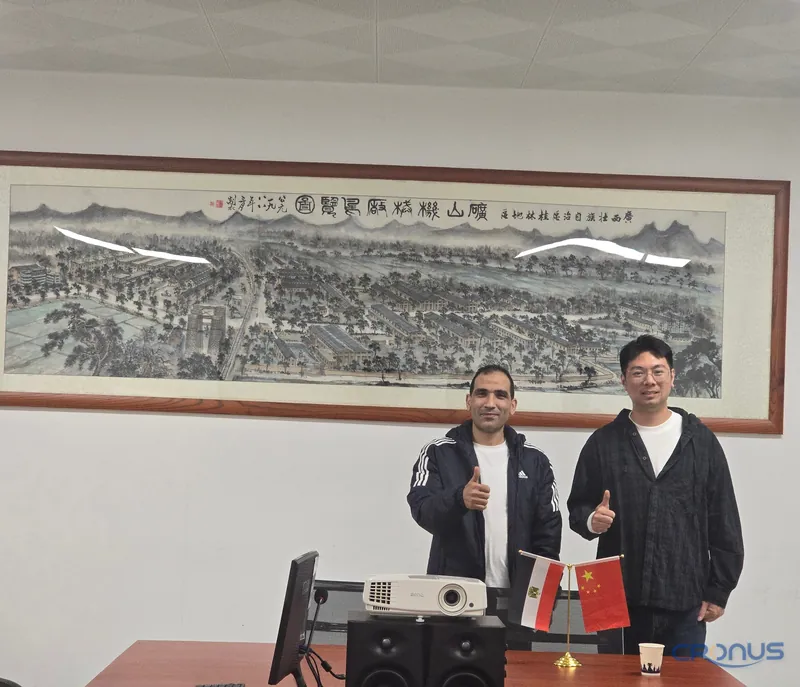
Egypt customer meeting at grinding mill exhibition
Egypt customer — exhibition meeting
Customer visiting Cronus Shanghai office
Customer visit — Shanghai
Customer reviewing grinding mill drawings with Cronus engineers
Reviewing layout & drawings
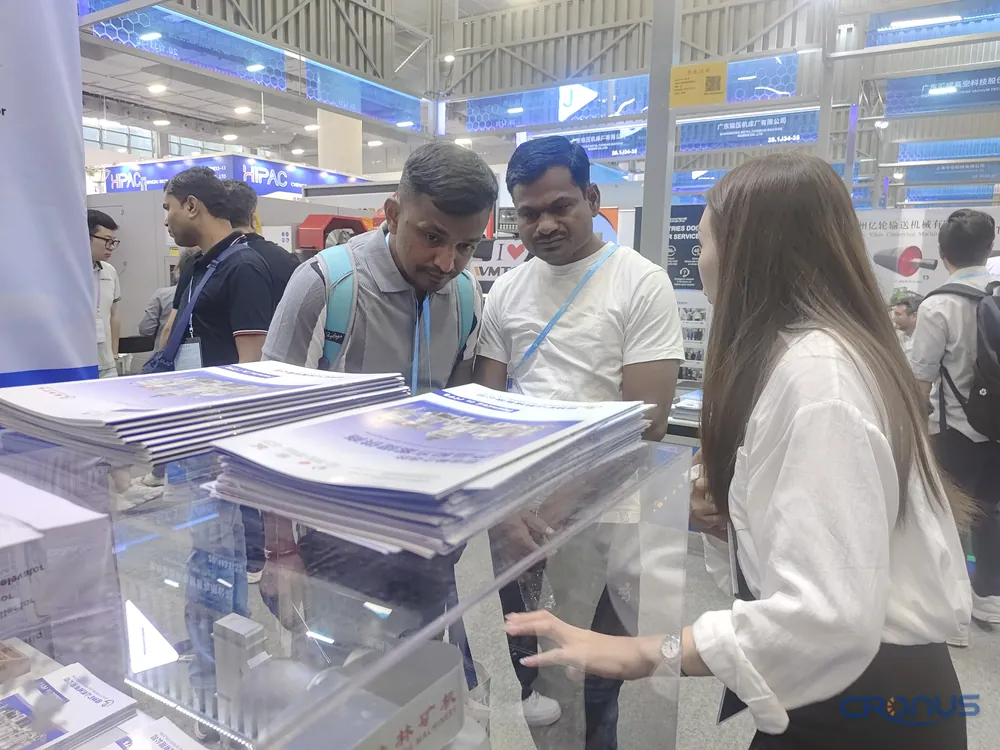
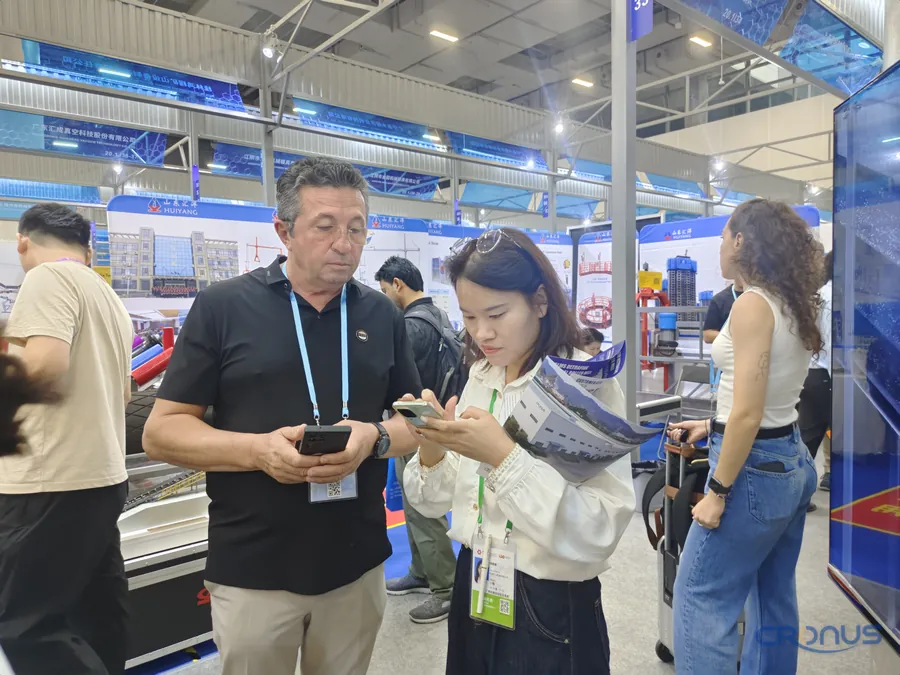
International buyers at Cronus exhibition stand
Meet us at the next exhibition

Technical data

CRGM multi-head ultrafine grinding mill parameters

Data below are reference values for calcite-type materials (Mohs ≤ 6, moisture ≤ 6%). Final model selection follows free material testing.

CRGM series ultrafine ring roller mill — multi-head classifier configuration
ModelCRGM60CRGM80CRGM100CRGM125
Ring diameter (mm)φ600φ800φ1000φ1250
Ring layers3344
Grinding rollers (pcs)12212832
Main shaft speed (r/min)250–280230–240180–200135–155
Max feed size (mm)≤20
Finished fineness (μm / mesh)5–74
200–2500
5–74
200–2500
7–74
200–2000
7–74
200–2000
Capacity (t/h)0.2–30.5–4.51.8–51.5–12
Main unit power (kW)4575132185
Classifier power (kW)1518.53075
Blower power (kW)374575132
Discharge valve (kW)0.750.75×21.11.5
Screw conveyor (kW)2.2344
Total power (kW)101143244401
Overall dimension L×W×H (m)11.5×3.5×5.215.9×4.2×6.119.7×4.7×7.723.2×4.7×7.7

CRGM125 ships with the multi-head classifier as standard; CRGM60–100 can be configured with single- or multi-head classifiers according to your fineness and capacity targets. Note: data for reference only — contact sales for tailored configuration.

Keep the line running

Wear parts & spares — direct from the factory that casts them

Rollers, rings, turntables, pins, classifier impellers, feeders, gearboxes, filter bags and pulse valves — all available as genuine Cronus parts.

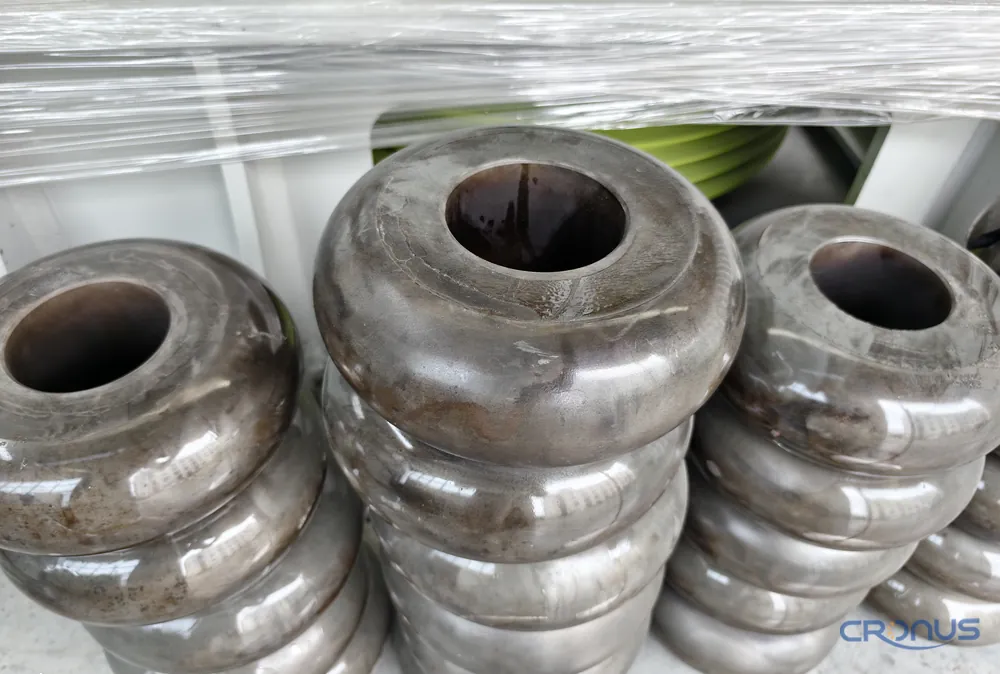
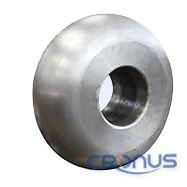
Genuine grinding roller spare part for CRGM ultrafine mill
Grinding roller
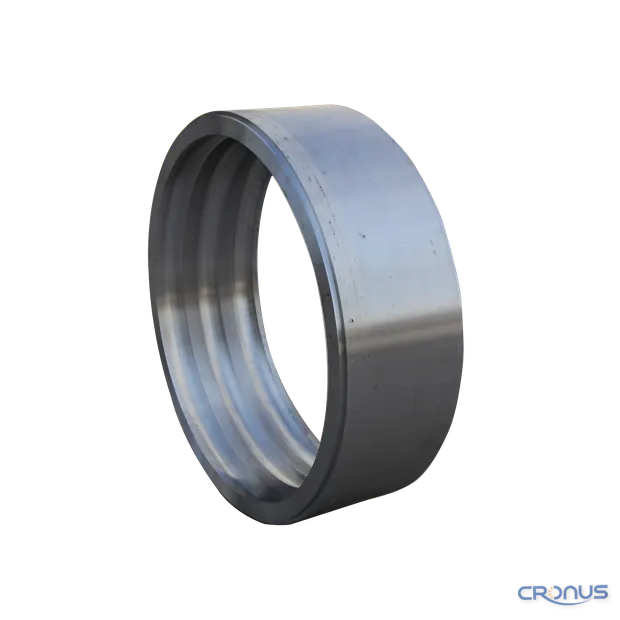
Wear-resistant grinding ring spare part
Grinding ring
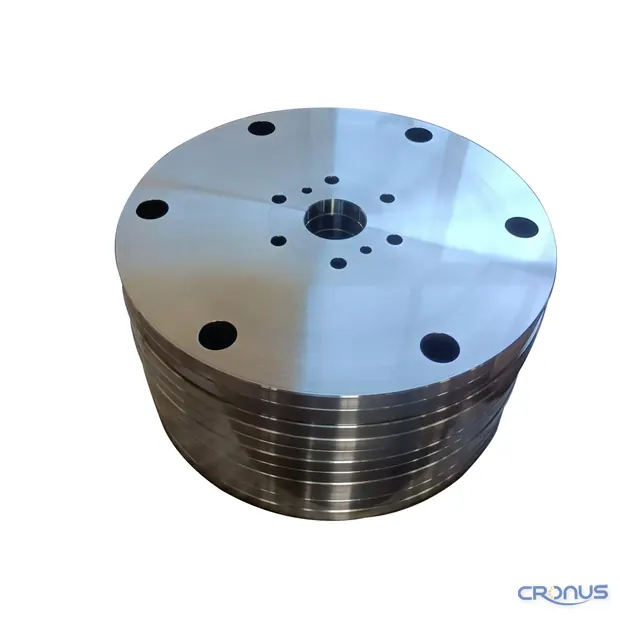
Mill turntable spare part
Turntable
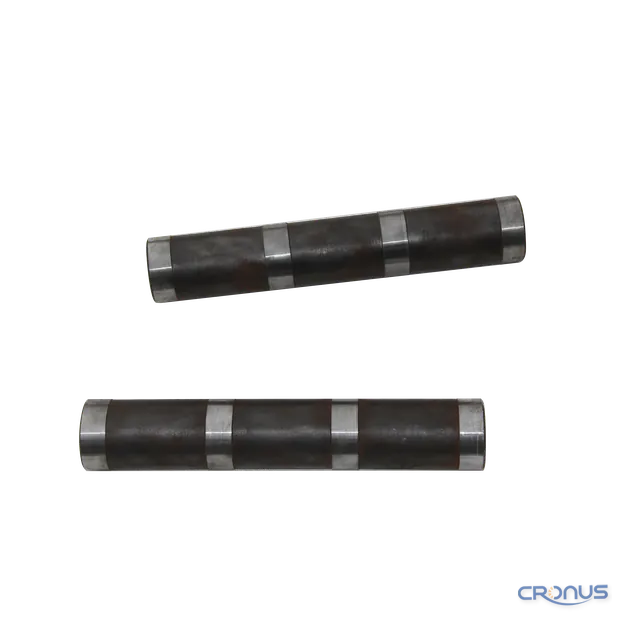
Grinding roller shaft pin spare part
Shaft pin
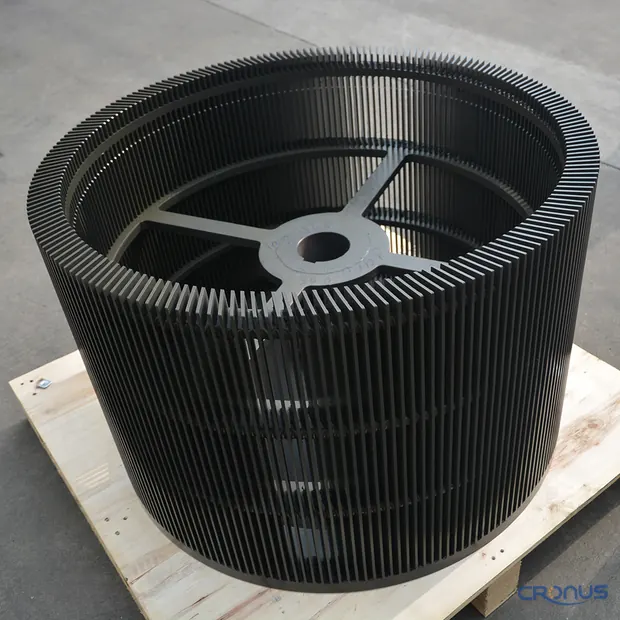
Classifier impeller spare part of multi-head analyzer
Classifier impeller
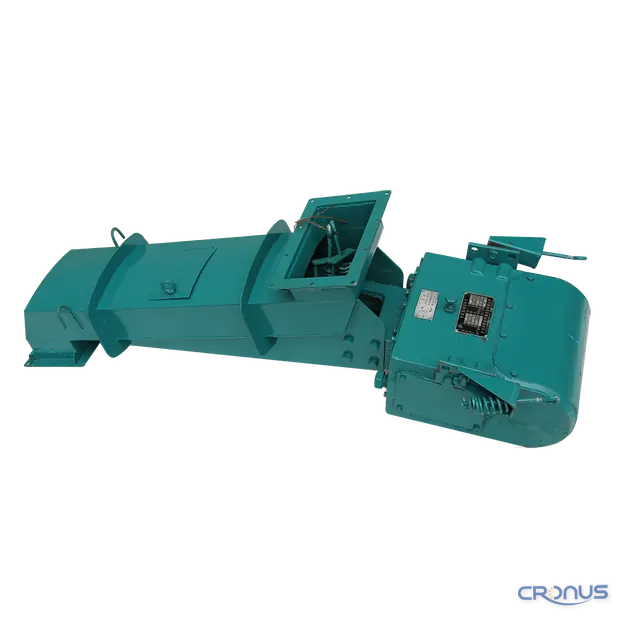
Feeder spare part of grinding mill
Feeder
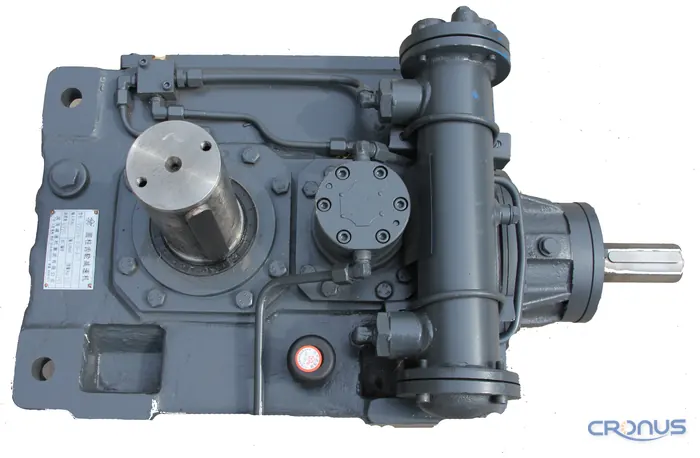
Main reducer gearbox of ultrafine grinding mill
Gearbox
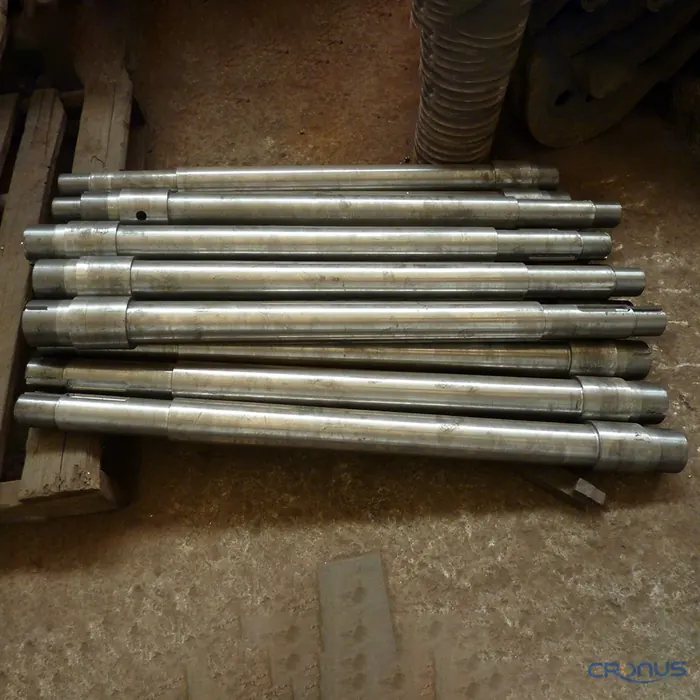
Main shaft of grinding mill
Main shaft
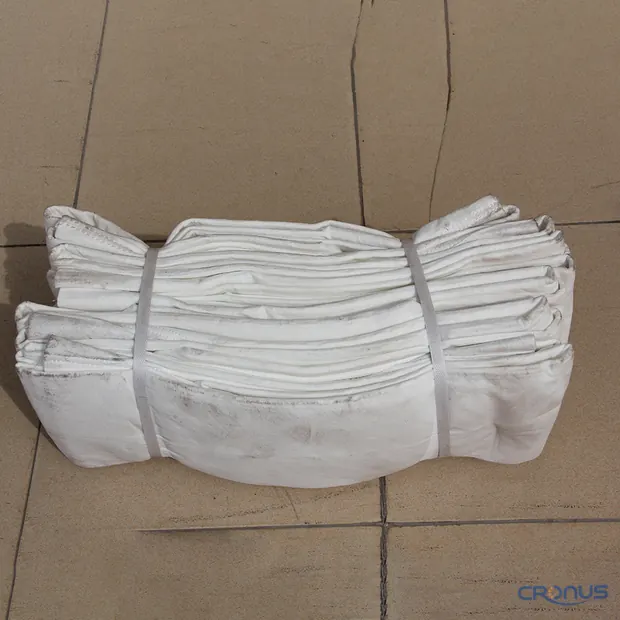
Pulse dust collector filter bags
Filter bags
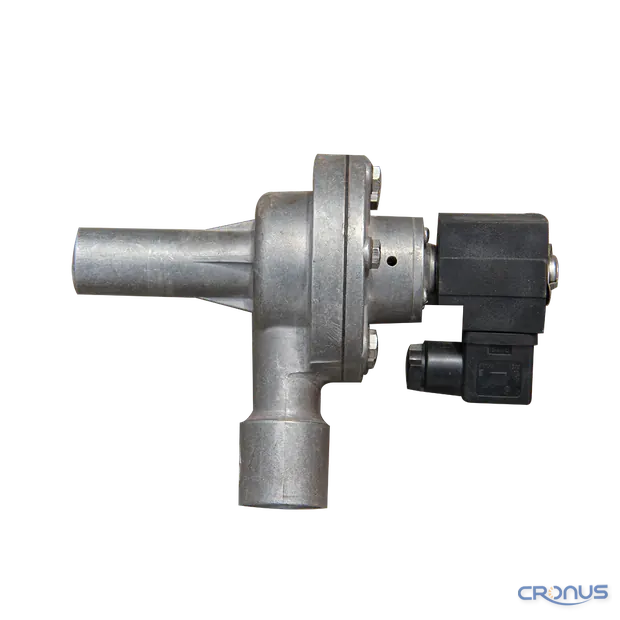
Dust collector pulse valve
Pulse valve
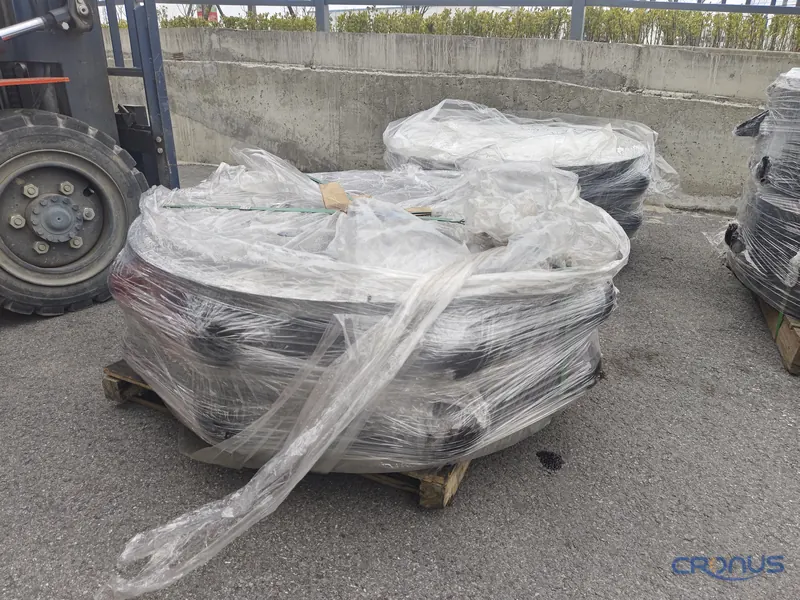
Genuine Cronus spare parts packed for export shipment
Export packing
Cronus spare parts warehouse stock
Stocked & ready
Own casting foundry

Our group runs its own casting plant — wear parts are poured, machined and heat-treated under one quality system.

Genuine fit, zero rework

Factory-original dimensions and balances. No fit-up surprises, no "almost right" impellers that ruin your cut point.

Longer service life

Rollers and rings are forged from special wear-resistant alloy steel — 2–3× the life of ordinary parts.

Factory-direct price

Buying from the manufacturer cuts the middle layer — competitive prices with full traceability and warranty.

FAQ

Questions buyers ask about the multi-head ultrafine grinding mill

What exactly does "multi-head" mean on an ultrafine grinding mill?

It refers to the classifier (also called analyzer) mounted on top of the mill. "Multi-head" means several classifier rotors (impellers) are connected in parallel inside one classifier, each driven by its own variable-frequency motor. The grinding chamber below — turntable, rollers and rings — is the same single grinding unit. So: single head = single-rotor classifier; multi head = multi-rotor parallel classifier head.

Why is output higher with a multi-head classifier at 1500–2500 mesh?

A single rotor's impeller ventilation cross-section is limited. At ultrafine cuts, air resistance rises sharply, total airflow cannot go up, and the classifier chokes the mill — the main machine is forced to run below its grinding capacity. With multiple rotors in parallel, the total ventilation area multiplies, so the same 2500-mesh product leaves at a significantly higher rate.

Does multi-head change the grinding chamber or the rollers?

No. The grinding unit is identical. Only the classification system on top is upgraded, which is why it is also a practical retrofit for existing single-head mills.

Can it really produce two fineness grades at once?

Yes. Because each rotor is independently VFD-controlled, rotors can run at different speeds. The system then splits off two finished products of different mesh simultaneously — no downtime for parameter changes.

What materials suit this mill best?

Brittle, non-flammable, non-explosive minerals with Mohs hardness ≤6 and moisture ≤6%: calcite, limestone, marble, dolomite, talc, pyrophyllite, barite, gypsum, kaolin, bentonite, mica, wollastonite, petroleum coke, carbon black, aluminium hydroxide, diatomite and similar non-metallic minerals.

What fineness and capacity can I expect?

Finished powder covers 200–2500 mesh (5–74 μm), D97 controlled precisely by rotor speed. Capacity ranges from 0.2 t/h (CRGM60 at 2500 mesh) up to about 12 t/h (CRGM125 at coarser cuts). Actual figures depend on material hardness, moisture, feed size and target residue — we confirm them with a free test grinding.

How does it compare with a jet mill for ultrafine powder?

For the same ultrafine output, a ring roller mill typically delivers more than twice the capacity at roughly 30% lower energy consumption than a jet mill, with simpler maintenance and lower air-compression cost.

What does a complete production line include?

Jaw crusher (or similar), bucket elevator, storage hopper and feeder, the CRGM main unit with multi-head classifier, blower, cyclone collector, pulse-jet dust collector, discharge valves, screw conveyor, packing machine and PLC control cabinet. Layout is engineered to your workshop.

How noisy and dusty is the system?

The whole circuit runs under negative pressure, so no dust escapes. Sound-insulated rooms and silencer design keep noise near the main unit controlled to plant standards.

How often do rollers and rings need replacement?

With our forged wear-resistant alloy, service life is typically 2–3 times longer than standard parts. Actual life depends on material abrasiveness, moisture and hours run — we provide an inspection schedule and stocked spares so replacement is planned, not emergency.

Can you upgrade my existing single-head mill to multi-head?

In most cases yes — the multi-head classifier is installed on top of the existing main machine. Send us your mill model and photos for an upgrade proposal.

What warranty, installation and after-sales service do you offer?

Standard 12-month warranty on the main body. We provide layout design, foundation drawings, on-site or remote installation supervision, commissioning, operator training, lifetime spare-parts supply and 24-hour response through our international service center in Shanghai.

After-sales service

We stay with your line long after delivery

01

Selection & test

Free grinding test on your material in our Guilin lab; capacity, D97, and wear data before you buy.
02

Delivery & installation

Foundation drawings, layout design, supervised erection and commissioning — on-site or remote.

03

Training

Hands-on operator training covering start/stop, fineness adjustment, maintenance and safety.

04

Spares, fast

Group-owned casting plant and stocked warehouse keep lead times short; export packing within days.

05

Lifetime support

12-month warranty, 24-hour response from the Shanghai international service center, annual health checks.

"50 years of building mills means one thing: when your line stops, you need an answer today — not next week."
Cronus International Service Center, Shanghai

Start with your material

Tell us the mesh you need — we'll send the mill that gets you there.

Share your material, target fineness and capacity. Within 24 hours you receive a model recommendation, layout draft and a free test-grinding offer.

✓ Free grinding test✓ Reply within 24 h✓ English-speaking engineers

WhatsApp